
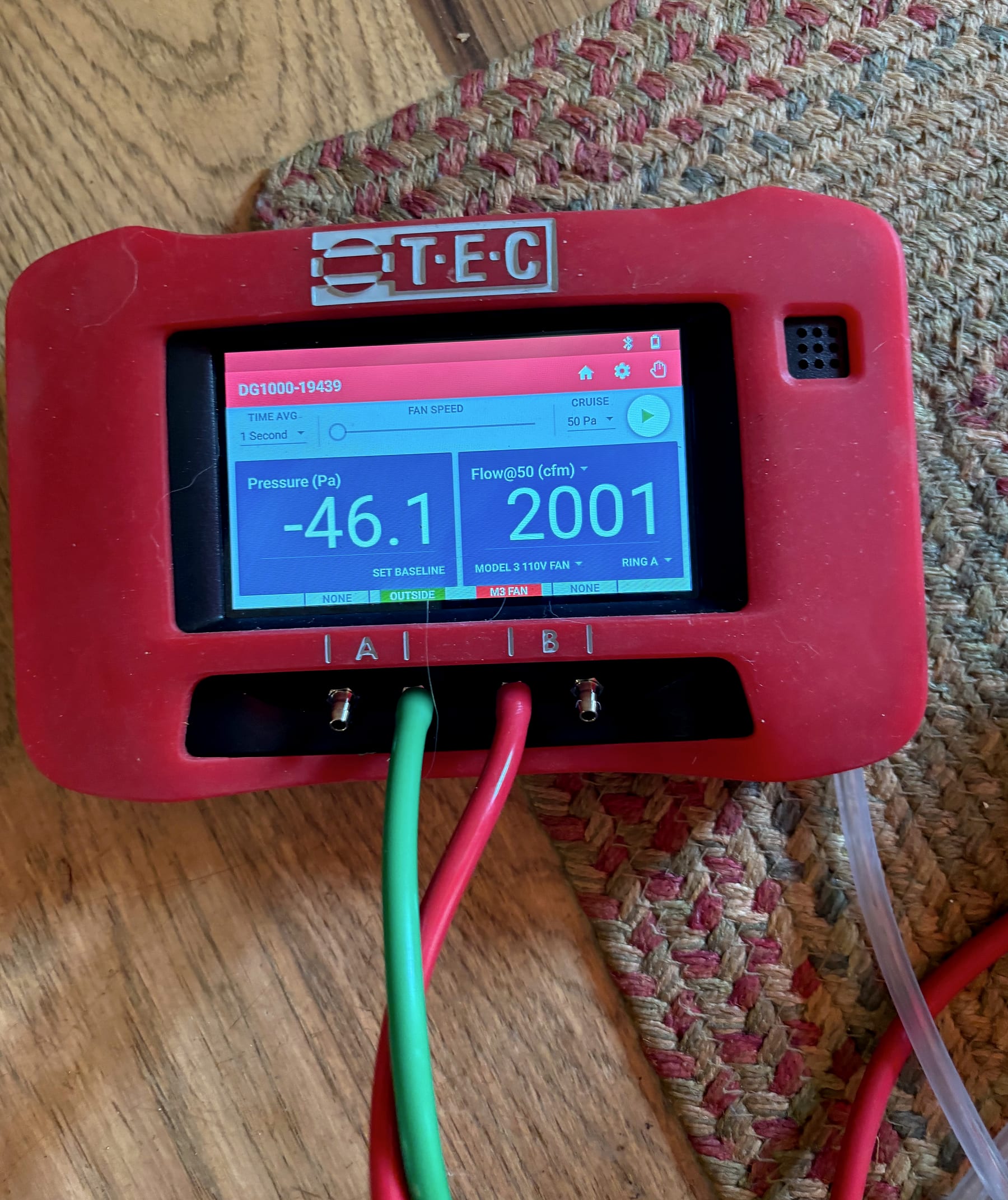
Airflow measurement
We measure how much air the system is moving because comfort, capacity, noise, humidity control, and equipment life all depend on proper airflow.
MEASUREMENT-FIRST DIAGNOSTICS
Most HVAC recommendations start with the equipment. The OCD Performance Evaluation starts with the performance of the whole system.
We measure airflow, static pressure, delivered capacity, delivered efficiency, duct conditions, setup, filtration, electrical protection, and other factors that affect comfort, reliability, and equipment life.
The result is a clearer path forward — whether the right next step is repair, improvement, replacement, monitoring, or planning for future work.
WHO IT IS FOR
The OCD Performance Evaluation is useful when you are trying to solve a comfort problem, reduce energy waste, protect aging equipment, plan future improvements, or decide whether repair, replacement, or monitoring makes sense.
It is especially valuable when rooms are uneven, airflow feels weak, utility bills seem high, humidity is hard to control, equipment is noisy, or the system has never felt quite right.
CORE IDEA
Measure first. Recommend second.
The evaluation gathers real performance data so the recommendation is based on what the system is doing — not guesswork, assumptions, or equipment ratings alone.
WHAT CAN BE INCLUDED
The exact test sequence depends on the system, access, weather, equipment type, and the concern being investigated. OCD HVAC starts with the symptoms, gathers the measurements that matter, and documents what the system is actually doing.
Some findings can be addressed right away. Others become a clear plan for repair, improvement, replacement, monitoring, or future work.
We measure how much air the system is moving because comfort, capacity, noise, humidity control, and equipment life all depend on proper airflow.
Static pressure shows how hard the blower is working and helps identify restrictions in filters, coils, returns, supply trunks, or duct design.
Accessible ductwork is reviewed for leakage, sizing, restrictions, insulation, transitions, and workmanship issues that can reduce performance.
Supply and return temperatures are checked in context with airflow, system mode, indoor conditions, and equipment type.
Measured airflow and temperature change are used to estimate the capacity actually reaching the home — not just the rating on the equipment label.
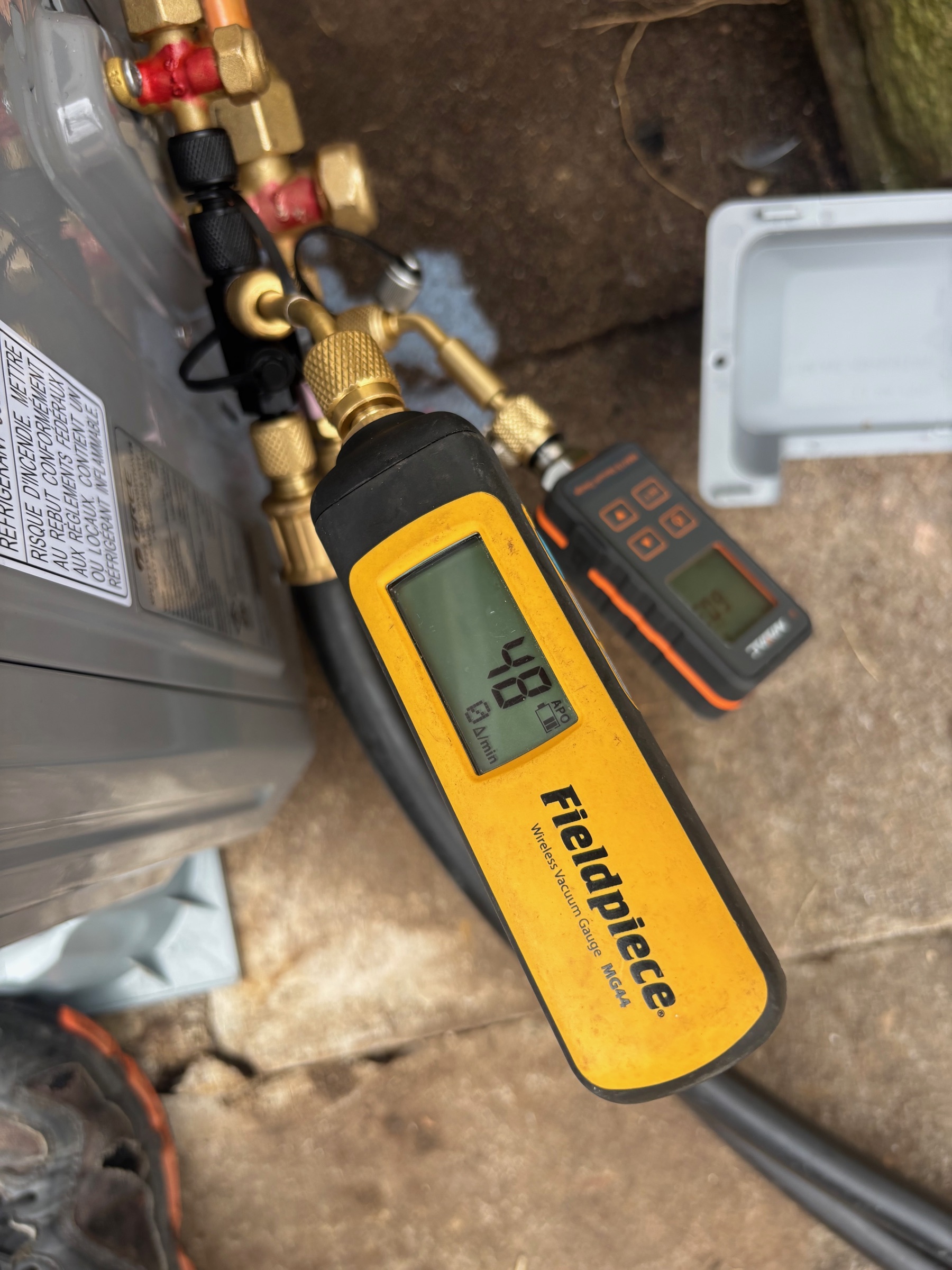
For applicable systems, refrigerant-side performance is reviewed to see whether the equipment is operating within a reasonable range.
Electrical readings, controls, motor behavior, protection, and startup conditions are checked when they may affect safety, reliability, or performance.
Drainage, traps, overflow protection, and moisture risks are reviewed because small water problems can become expensive quickly.
Setup, duct connections, refrigerant line practices, filtration, clearances, and commissioning details are reviewed for problems that affect long-term performance.
You receive plain-language findings and recommendations so decisions about repair, improvement, replacement, monitoring, or future planning are easier to make.
DELIVERED CAPACITY
A system can be the “right size” on paper and still underperform in the home.
Airflow problems, duct restrictions, leakage, filter pressure drop, refrigerant issues, setup problems, and controls can all reduce what the system actually delivers.
The OCD Performance Evaluation helps separate equipment rating from real delivered performance, so the next recommendation is based on measurements instead of assumptions.
HVAC Done Right
Send the form with your main comfort concern, system type, neighborhood, and anything previous contractors have told you. Jacob will follow up with the best next step.